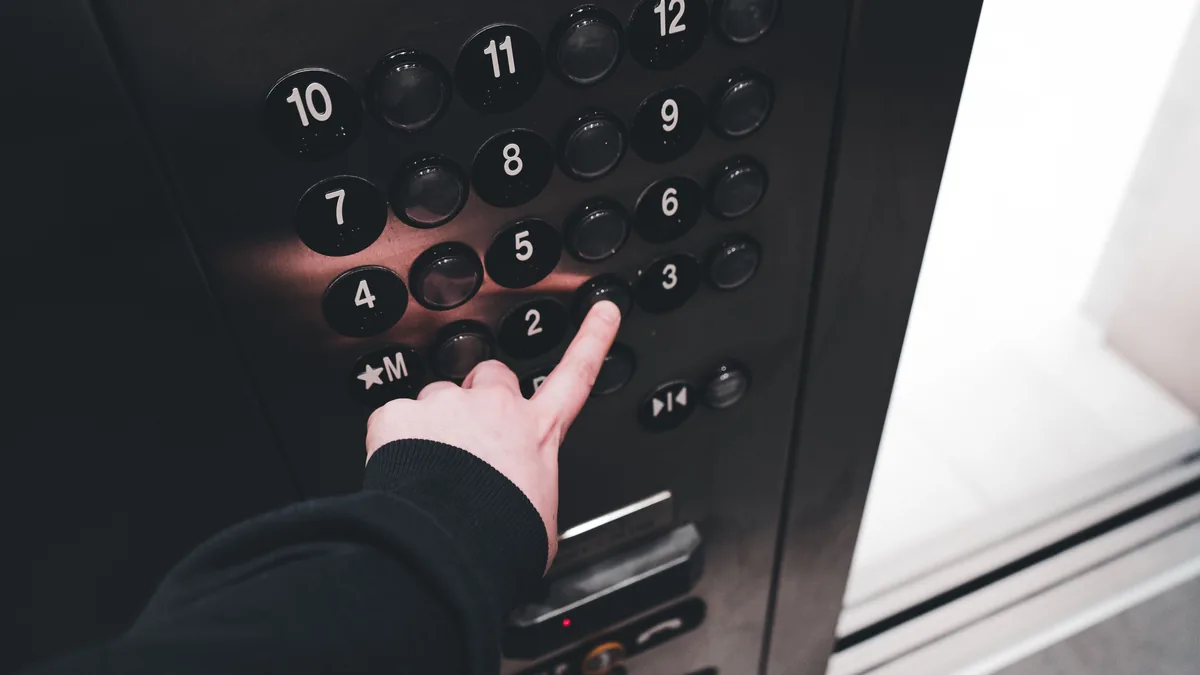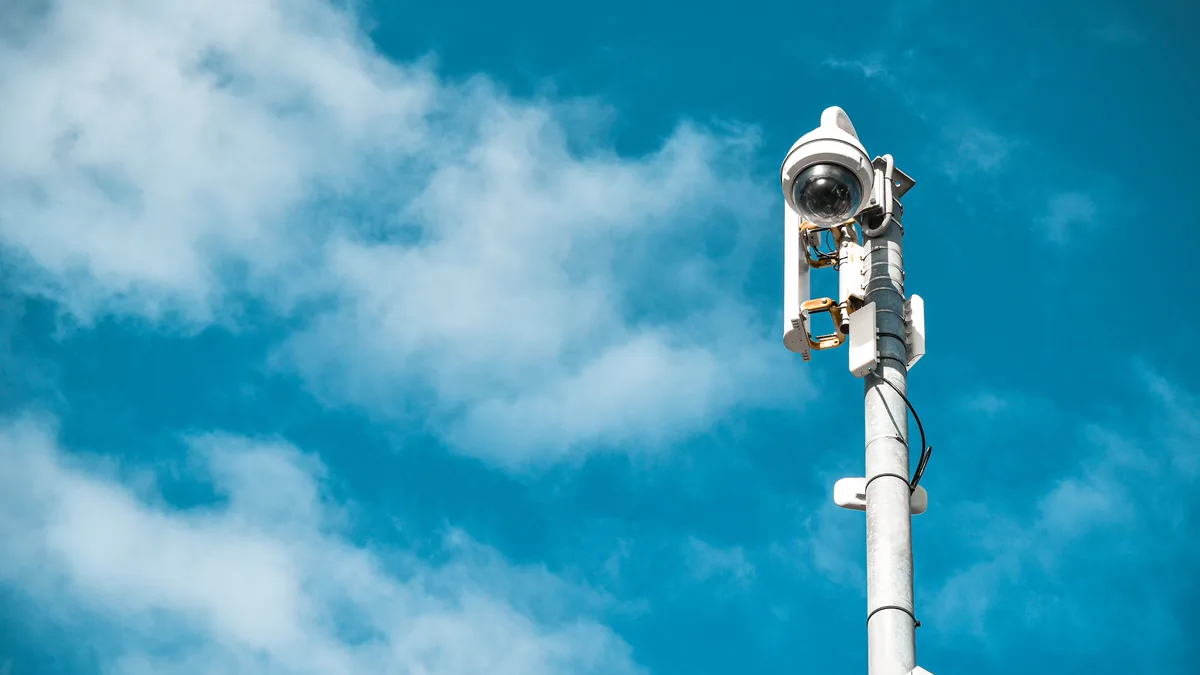


Authorizing a visitor should not require a security guard to leave their post or a resident to answer another call. GateGuard QR elevator access control enables access only to the inviting resident’s floor, using the same invitation that grants vehicle or pedestrian entry. The visitor scans the code, selects the authorized floor, and heads up. The system captures an image inside the elevator cab, notifies the resident, and logs the access event—all without further guard intervention.
Key takeaways
- 1 QR code for vehicle or pedestrian entry and elevator access.
- 1 authorized floor for each visitor: the inviting resident’s floor.
- 3 points of friction in the manual process: waiting, escorts, and resident interruptions.
- Automatic image capture inside the elevator cab and a resident notification when access is used.
- 4 details in the access log: who, which floor, when, and supporting visual evidence.
The visitor experience without elevator access control
The invitation has been sent, but arriving at the building does not mean a visitor can head upstairs. A second authorization process begins in the lobby—and it depends on other people being available.
- The visitor arrives in the lobby and has to stop. Although the resident is expecting them, they do not yet have elevator access.
- They look for the guard. If the guard is handling another arrival or a different task, the visitor has to wait.
- The guard calls the resident or requests authorization over the radio. If there is no response, the visitor cannot proceed.
- Once approval comes through, the guard leaves their post and escorts the visitor to provide elevator access or enable the floor button.
- The visitor waits for the elevator and finally heads up. Meanwhile, the next person in the lobby has to go through the same process.
This is not a matter of staff effort. It is a workflow that requires human attention for every visit. When several guests arrive at once, a single unanswered call can delay everyone behind them.
What this workflow costs your building
Escorting visitors has an immediate operational cost: the guard leaves their post. Without someone to cover, the entrance is left unattended while the guard accompanies a visitor to the elevator. Handling one arrival creates a gap in coverage for the next.
During peak hours, approval requests pile up and lines form in the lobby. Residents have to interrupt what they are doing to confirm visits they have already arranged. When hosting guests becomes a recurring hassle, some residents stop inviting people over.
Property management also faces a visibility gap. Knowing that someone entered the building does not establish which floor they were authorized to access. Without an elevator access log and linked visual evidence, incident reviews rely on staff recollections and accounts.
One QR code, from entrance to elevator
GateGuard, a Mexican company with proprietary technology, connects building entry with access to the authorized floor. The invitation does not stop at the entrance: the same QR code takes the visitor through to the elevator, with no additional code or repeat call to the resident.
- The visitor arrives with their QR invitation and uses it at the vehicle or pedestrian entrance.
- In the lobby, they scan the same QR code at the elevator reader.
- The system enables only the button for the inviting resident’s floor. The QR code does not allow the visitor to select other floors.
- The visitor selects the authorized floor and heads up, without a guard escort to activate the button.
Access control also applies to residents. Permissions are managed floor by floor, so access to the building does not automatically grant access to every level.
The detail that makes the difference
When access is used, the system automatically captures an image inside the elevator cab. The resident receives a “Your guest is on the way” notification with the image, without the guard having to take a photo or send a message.
That notification answers an everyday question: is the guest still in the lobby, or already on the way up? The resident can get ready to welcome them without calling the security desk. Staff can stay focused on the entrance instead of pausing to provide updates on each visitor.
Security backed by evidence
The log records who used elevator access, which floor was authorized, when it happened, and the associated image. For the board and property management, this makes it possible to review a specific event using recorded information rather than piecing it together solely from calls or personal accounts.
Effective elevator access control is about more than getting a visitor upstairs. It means limiting access to the authorized floor, keeping the resident informed, and retaining evidence of the access event. Hosting guests should not come at the expense of a staffed security post.
See how GateGuard integrates elevator access control into your building—schedule a demo.