

ANPR vs RFID tag: which one is right for your gated community (2026)
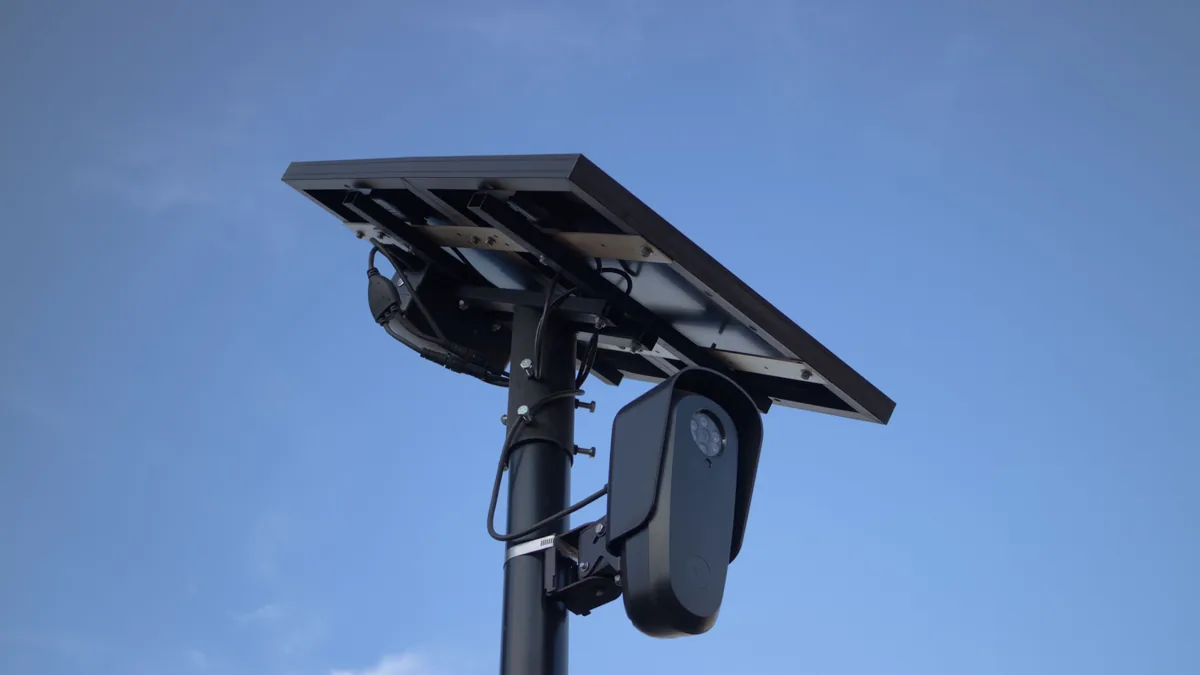
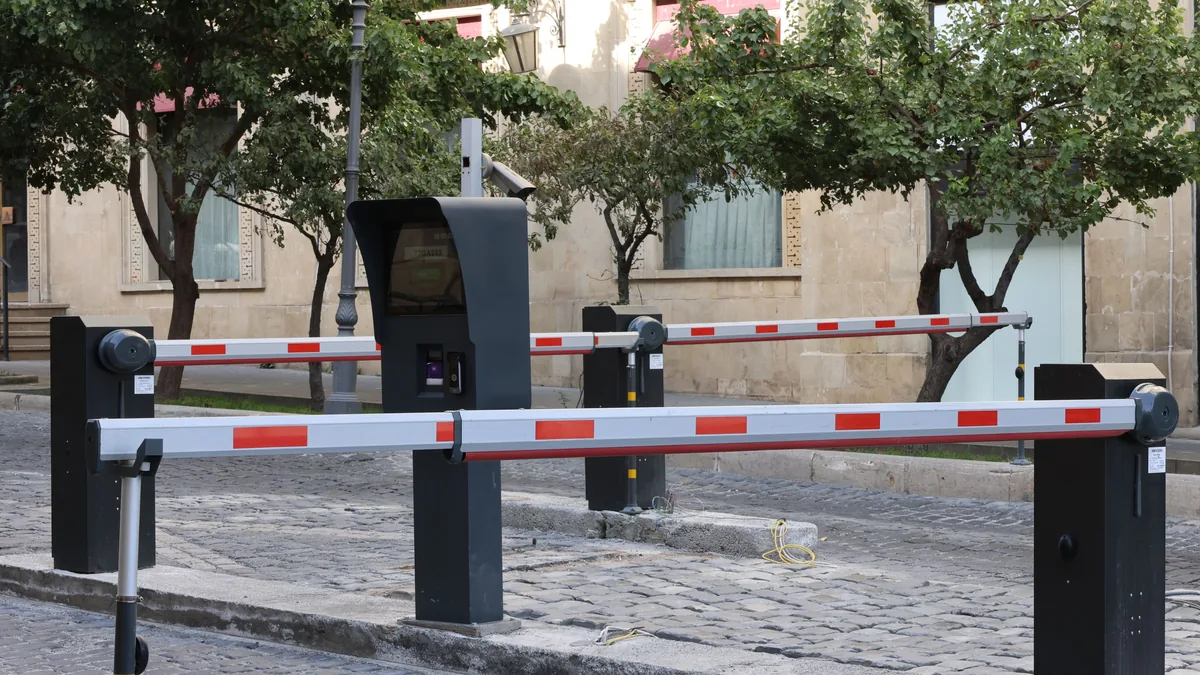
When a gated community decides to automate vehicle access, the choice almost always comes down to two technologies: RFID tag (residents carry a device a reader detects) or ANPR (AI plate recognition: the camera reads the plate and decides). Both automate the barrier, but the three-year operating experience is radically different. This comparison helps you decide with data, not brochures.
Direct comparison
| ANPR (AI plates) | RFID tag | |
|---|---|---|
| What the resident needs | Nothing — the plate already exists | Buy, stick and never forget the tag |
| Visitors | Digital invite; plate validated on arrival | Outside the system: manual log continues |
| Identifies the vehicle | Yes — plate + photo + time per event | No — only detects "a tag"; any car with it passes |
| Lent or cloned tag | Not applicable | Real risk: the tag doesn't know who drives |
| Initial cost | Higher (AI camera + calibrated install) | Lower (cheap readers) |
| Cost per new resident | Zero (add plate in the panel) | Purchase and physical delivery of each tag |
| Lost tags / replacements | Not applicable | Recurring cost and admin friction |
| Offline operation | Yes, if offline-first | Yes |
| Incident evidence | Vehicle photo + plate + time | Only a "tag read" record |
Where the tag still wins
Let's be honest: RFID tags have cases where they remain reasonable. If your community already has working readers and no complaints, migrating just for fashion is not justified. The tag can also be a complement — not a rival — for vehicles with hard-to-read plates or users who prefer two-factor. A good modern system supports both: plate as the rule, tag as backup.
The true cost of the tag is not in the reader
The ANPR's higher initial price pays for itself in operation. Run the numbers for your community: every new resident means buying and delivering a tag; every lost tag, replacing it; every frequent visitor, a parallel manual mechanism. And the biggest cost is invisible: when an incident happens (a stranger's car, an intrusion, damage in a common area), the tag cannot tell you which vehicle entered — ANPR can, with a photo.
A 3-year TCO exercise for a 300-house community with normal visitor flow:
- Tags: 300 initial tags + ~10% annual replacement (lost, damaged, new cars) = ~390 tags over 3 years, plus the admin cost of buying, distributing and deactivating each one.
- Visitors with tags: none — visitors keep being resolved outside the system (logbook, calling the resident), which is exactly the cost you wanted to eliminate by automating.
- Incidents: without photo or linked plate, every incident becomes hours of investigation or goes unsolved.
- ANPR: higher upfront investment, but near-zero marginal cost per new resident (add plate in the panel) and full evidence from day one.
In communities with visitor flow, the tag pays for the automatic barrier but leaves the real problem half-solved — and half-solved usually means "again".
The decision criterion
If your community has significant visitor flow (family, service, vendors), the tag leaves 50% of the problem unsolved. If you value evidence — knowing exactly what entered and when — the tag only gives a beep. If your priority is zero friction, the tag requires carrying something; the plate doesn't.
ANPR wins in almost every modern residential scenario; the tag survives as a complement or in very small communities with closed resident flow and almost no visitors.
Frequently asked questions
Can I have both: plate and tag?
Yes, and it's a common pattern. ANPR as the general rule for all vehicles and the tag as backup for units with hard-to-read plates or service fleets. A flexible system supports both simultaneously.
Does ANPR work with unplated cars or temporary plates?
Those cases fall to the verification flow (visitor QR or assisted validation). A good system doesn't stall: it routes to the right channel in seconds.
Is migrating from tags to ANPR traumatic?
Not necessarily. Typical migration is per access: the ANPR camera goes into the main access, runs in parallel with tags for a few weeks, then readers are removed. Residents only notice they no longer need the tag.
Conclusion
The RFID tag automated the barrier; ANPR automates the decision. The first still depends on the resident carrying something and visitors being solved separately; the second covers every vehicle with the identity it already carries. For a community with mixed resident-visitor flow, plate recognition is the right bet today — and with an offline-first system like GateGuard, without sacrificing operation when the internet fails.